How Fashion & Beauty Brands Find the Right Retail Buyers Without Trade Show Burnout
How Fashion & Beauty Brands Find the Right Retail Buyers Without Trade Show Burnout
Key Takeaways
✓ Trade shows work — the problem is everything around them. The in-person relationship is irreplaceable. The before and after is where most brands lose momentum
✓ Arriving without a target list is the most expensive mistake fashion and beauty brands make at trade shows. Foot traffic is not a strategy
✓ Pre-booked meetings outperform booth traffic every time — fewer conversations, better quality, higher conversion
✓ Most wholesale pipeline dies post-show because follow-up is manual, delayed, and inconsistent. Structured follow-up within 48 hours changes the outcome
✓ The brands with the strongest wholesale distribution built it between shows, not at them — through consistent, intentional outreach year-round
✓ Kingpin connects buyer discovery, outreach, and follow-up into one workflow so trade show momentum doesn't disappear into spreadsheets when you get home
Are trade shows dead?
Contrary to popular belief, trade shows aren’t going away anytime soon. Combined with the AI hype, people are seeking in person connections. These events put you in the same room as buyers you'd otherwise spend months trying to reach. The energy is real. The relationships built face-to-face are genuine. A conversation over coffee at a trade show can turn into a three-year wholesale partnership.
…But the model has a problem.
The brands exhibiting at three or four shows a year know this feeling well: you invest $20K-$30K per event, spend three days having hundreds of conversations, collect a stack of business cards and then return to the office completely exhausted with a pipeline that looks promising but a follow-up process that's entirely manual.
Two weeks later, half of those conversations have gone cold.
The issue isn't the trade show itself. It's everything that happens before and after it.
Before the show: Stop hoping, start targeting
Most brands arrive at trade shows without a clear picture of which buyers they actually want to meet.
They set up a beautiful booth, brief their team on the collection, and wait. Some great buyers walk in. Many don't. The conversations that happen are largely determined by foot traffic, not fit.
The shift the fastest-growing brands are making:
Treating trade shows like a confirmed meeting schedule, not a networking event.
This means knowing before you arrive: which buyers attending the show match your brand. What they currently stock. What price points they carry. Which categories they're actively expanding.
AI buyer discovery tools can surface this before you've packed a single sample. Instead of hoping the right buyers find your booth, you reach out in advance, introduce your brand with context, and book meetings for specific time slots.
The practical difference:
Reactive Approach | Proactive Approach |
Wait for buyers to visit booth | Identify best-fit buyers before the show |
Generic pitch to everyone | Tailored conversation based on buyer profile |
3-day booth attendance | Pre-booked meeting schedule |
Hope drives traffic | Data drives targeting |
Kingpin's buyer discovery does this automatically by matching profiles to your brand based on what they carry, their location, and buying patterns so you arrive with a focused list rather than a wishful one.
During the show: Fewer conversations, better ones
There's a version of trade show success that's measured by volume. How many people visited the booth. How many business cards collected. How many catalogs handed out.
And there's a version measured by quality. How many conversations happened with buyers who are genuinely right for your brand.
The brands experiencing trade show burnout are almost always chasing volume.
What focused looks like in practice:
You have 8 pre-booked meetings with prospects you've already researched
You know what each buyer currently carries before they sit down
The conversation starts at a different level because you're not introducing yourself from scratch
You end each meeting with a specific next step logged, not a vague "I'll send you something"
This isn't about being less social at trade shows. It's about making the social time count.
The energy that gets wasted having the same introductory conversation forty times gets redirected into ten deeper conversations that actually move forward.
The real problem: What happens after the show
Here's where most wholesale pipeline dies.
You're back in the office. You have 60 contacts across three days of conversations. Some are hot. Some are warm. Some you can barely remember. Your team is exhausted.
The follow-up process looks like this:
Transfer business cards to a spreadsheet
Write individual follow-up emails (or send the same generic one to everyone)
Attach a catalog or line sheet
Wait
Manually chase non-responses a week later
Repeat until momentum dies or an order comes through
For most brands this takes two weeks of work. By which point buyers have moved on to the next show, the next brand, the next conversation.
The brands converting trade show contacts into wholesale accounts have one thing in common: A structured follow-up system that kicks in the moment the show ends, not two weeks later.
Keeping the conversation going: What a structured follow-up looks like
The goal of post-show follow-up isn't just to send an email. It's to carry momentum from a warm in-person conversation into a commercial relationship before that warmth fades.
The sequence that works:
Day 1-2 post-show: Reference the specific conversation. Not "Great meeting you at CIFF" but "You mentioned you were expanding your skincare assortment in Q3—here's why our new range fits that."
Personalization at this stage isn't a nice-to-have. It's the difference between a reply and silence.
Day 5-7: Share your catalog or line sheet with tracking enabled. Know when they open it. Know if they looked at it three times without responding (that's a signal worth acting on).
Day 14: If no response, a short check-in that references the original conversation. Not a chase. A continuation.
Day 30: If still no response, move to a seasonal nurture cadence. Some buyers aren't ready now. That doesn't mean they're not the right fit for next season.
This isn't complicated. But doing it manually across 60 contacts after an exhausting trade show is where it breaks down.
Kingpin structures this workflow automatically—tracking where each buyer conversation stands, flagging which contacts need follow-up today, and keeping the full relationship history visible so nothing gets lost between shows.
The long game: Relationships between shows
The brands with the strongest wholesale distribution didn't build it at trade shows. They built it in the months between them.
Trade shows are the introduction. What happens after is the relationship.
What the best wholesale brands do between shows:
Check in with buyers before seasonal orders close (not after)
Share relevant content—campaign assets, press coverage, sell-through data from similar retailers
Track which accounts are due for a reorder conversation based on their order history
Reach out before the next show with context from the last one
This requires visibility into your wholesale relationships that most brands simply don't have because the information is scattered across email threads and spreadsheets.
When your buyer data, conversation history, order history, and follow-up cadence all live in one place, the relationship between shows becomes as intentional as the meeting at the show.
That's the shift from trade show dependency to a wholesale sales motion that runs year-round.
Practical checklist: Before, during, after
Before the show
[ ] Identify which buyers attending match your brand profile
[ ] Research what they currently carry
[ ] Reach out in advance to book specific meeting slots
[ ] Brief your team on each buyer before they sit down
During the show
[ ] Prioritize pre-booked meetings over booth traffic volume
[ ] Log meeting notes and next steps immediately
[ ] Agree on a specific follow-up action with each buyer before they leave
After the show
[ ] Send personalized follow-ups within 48 hours
[ ] Share tracked catalogs and line sheets
[ ] Build each buyer into a structured follow-up cadence
[ ] Flag warm contacts for priority attention
Between shows
[ ] Monitor reorder signals from existing accounts
[ ] Share seasonal content and campaign assets proactively
[ ] Begin outreach for the next show 4-6 weeks in advance
The bottom line
Trade shows aren't going anywhere. The relationships built face-to-face in fashion and beauty wholesale are still the foundation of the industry.
But the brands treating trade shows as their entire sales strategy, show up, hope for the best, follow up manually, repeat are working harder than they need to for smaller returns than they deserve.
The shift is simple in principle:
Use AI to find the right people before the show. Use the show to build real relationships. Use a structured system to keep those relationships moving long after the event ends.
That's not a reinvention of wholesale selling. It's wholesale selling done with intention.
Key Takeaways
✓ Trade shows work — the problem is everything around them. The in-person relationship is irreplaceable. The before and after is where most brands lose momentum
✓ Arriving without a target list is the most expensive mistake fashion and beauty brands make at trade shows. Foot traffic is not a strategy
✓ Pre-booked meetings outperform booth traffic every time — fewer conversations, better quality, higher conversion
✓ Most wholesale pipeline dies post-show because follow-up is manual, delayed, and inconsistent. Structured follow-up within 48 hours changes the outcome
✓ The brands with the strongest wholesale distribution built it between shows, not at them — through consistent, intentional outreach year-round
✓ Kingpin connects buyer discovery, outreach, and follow-up into one workflow so trade show momentum doesn't disappear into spreadsheets when you get home
Are trade shows dead?
Contrary to popular belief, trade shows aren’t going away anytime soon. Combined with the AI hype, people are seeking in person connections. These events put you in the same room as buyers you'd otherwise spend months trying to reach. The energy is real. The relationships built face-to-face are genuine. A conversation over coffee at a trade show can turn into a three-year wholesale partnership.
…But the model has a problem.
The brands exhibiting at three or four shows a year know this feeling well: you invest $20K-$30K per event, spend three days having hundreds of conversations, collect a stack of business cards and then return to the office completely exhausted with a pipeline that looks promising but a follow-up process that's entirely manual.
Two weeks later, half of those conversations have gone cold.
The issue isn't the trade show itself. It's everything that happens before and after it.
Before the show: Stop hoping, start targeting
Most brands arrive at trade shows without a clear picture of which buyers they actually want to meet.
They set up a beautiful booth, brief their team on the collection, and wait. Some great buyers walk in. Many don't. The conversations that happen are largely determined by foot traffic, not fit.
The shift the fastest-growing brands are making:
Treating trade shows like a confirmed meeting schedule, not a networking event.
This means knowing before you arrive: which buyers attending the show match your brand. What they currently stock. What price points they carry. Which categories they're actively expanding.
AI buyer discovery tools can surface this before you've packed a single sample. Instead of hoping the right buyers find your booth, you reach out in advance, introduce your brand with context, and book meetings for specific time slots.
The practical difference:
Reactive Approach | Proactive Approach |
Wait for buyers to visit booth | Identify best-fit buyers before the show |
Generic pitch to everyone | Tailored conversation based on buyer profile |
3-day booth attendance | Pre-booked meeting schedule |
Hope drives traffic | Data drives targeting |
Kingpin's buyer discovery does this automatically by matching profiles to your brand based on what they carry, their location, and buying patterns so you arrive with a focused list rather than a wishful one.
During the show: Fewer conversations, better ones
There's a version of trade show success that's measured by volume. How many people visited the booth. How many business cards collected. How many catalogs handed out.
And there's a version measured by quality. How many conversations happened with buyers who are genuinely right for your brand.
The brands experiencing trade show burnout are almost always chasing volume.
What focused looks like in practice:
You have 8 pre-booked meetings with prospects you've already researched
You know what each buyer currently carries before they sit down
The conversation starts at a different level because you're not introducing yourself from scratch
You end each meeting with a specific next step logged, not a vague "I'll send you something"
This isn't about being less social at trade shows. It's about making the social time count.
The energy that gets wasted having the same introductory conversation forty times gets redirected into ten deeper conversations that actually move forward.
The real problem: What happens after the show
Here's where most wholesale pipeline dies.
You're back in the office. You have 60 contacts across three days of conversations. Some are hot. Some are warm. Some you can barely remember. Your team is exhausted.
The follow-up process looks like this:
Transfer business cards to a spreadsheet
Write individual follow-up emails (or send the same generic one to everyone)
Attach a catalog or line sheet
Wait
Manually chase non-responses a week later
Repeat until momentum dies or an order comes through
For most brands this takes two weeks of work. By which point buyers have moved on to the next show, the next brand, the next conversation.
The brands converting trade show contacts into wholesale accounts have one thing in common: A structured follow-up system that kicks in the moment the show ends, not two weeks later.
Keeping the conversation going: What a structured follow-up looks like
The goal of post-show follow-up isn't just to send an email. It's to carry momentum from a warm in-person conversation into a commercial relationship before that warmth fades.
The sequence that works:
Day 1-2 post-show: Reference the specific conversation. Not "Great meeting you at CIFF" but "You mentioned you were expanding your skincare assortment in Q3—here's why our new range fits that."
Personalization at this stage isn't a nice-to-have. It's the difference between a reply and silence.
Day 5-7: Share your catalog or line sheet with tracking enabled. Know when they open it. Know if they looked at it three times without responding (that's a signal worth acting on).
Day 14: If no response, a short check-in that references the original conversation. Not a chase. A continuation.
Day 30: If still no response, move to a seasonal nurture cadence. Some buyers aren't ready now. That doesn't mean they're not the right fit for next season.
This isn't complicated. But doing it manually across 60 contacts after an exhausting trade show is where it breaks down.
Kingpin structures this workflow automatically—tracking where each buyer conversation stands, flagging which contacts need follow-up today, and keeping the full relationship history visible so nothing gets lost between shows.
The long game: Relationships between shows
The brands with the strongest wholesale distribution didn't build it at trade shows. They built it in the months between them.
Trade shows are the introduction. What happens after is the relationship.
What the best wholesale brands do between shows:
Check in with buyers before seasonal orders close (not after)
Share relevant content—campaign assets, press coverage, sell-through data from similar retailers
Track which accounts are due for a reorder conversation based on their order history
Reach out before the next show with context from the last one
This requires visibility into your wholesale relationships that most brands simply don't have because the information is scattered across email threads and spreadsheets.
When your buyer data, conversation history, order history, and follow-up cadence all live in one place, the relationship between shows becomes as intentional as the meeting at the show.
That's the shift from trade show dependency to a wholesale sales motion that runs year-round.
Practical checklist: Before, during, after
Before the show
[ ] Identify which buyers attending match your brand profile
[ ] Research what they currently carry
[ ] Reach out in advance to book specific meeting slots
[ ] Brief your team on each buyer before they sit down
During the show
[ ] Prioritize pre-booked meetings over booth traffic volume
[ ] Log meeting notes and next steps immediately
[ ] Agree on a specific follow-up action with each buyer before they leave
After the show
[ ] Send personalized follow-ups within 48 hours
[ ] Share tracked catalogs and line sheets
[ ] Build each buyer into a structured follow-up cadence
[ ] Flag warm contacts for priority attention
Between shows
[ ] Monitor reorder signals from existing accounts
[ ] Share seasonal content and campaign assets proactively
[ ] Begin outreach for the next show 4-6 weeks in advance
The bottom line
Trade shows aren't going anywhere. The relationships built face-to-face in fashion and beauty wholesale are still the foundation of the industry.
But the brands treating trade shows as their entire sales strategy, show up, hope for the best, follow up manually, repeat are working harder than they need to for smaller returns than they deserve.
The shift is simple in principle:
Use AI to find the right people before the show. Use the show to build real relationships. Use a structured system to keep those relationships moving long after the event ends.
That's not a reinvention of wholesale selling. It's wholesale selling done with intention.
FAQ: How to Find the Right Retail Buyers
Do I still need to attend trade shows if I'm using AI buyer discovery tools?
Yes. The value of in-person connection at trade shows is real and not replicable digitally. AI tools don't replace the relationship, they make the relationship more productive by ensuring you're meeting the right people and following up effectively.
How far in advance should I start targeting buyers for a trade show?
4-6 weeks gives you enough time to research buyers, send meaningful outreach, and book meetings before schedules fill up. Starting 2 weeks out is possible but limits how many responses you'll get before the show begins.
What's the most common reason trade show follow-up fails?
Volume and timing. Most brands try to follow up with too many contacts manually and start too late. The contacts most worth pursuing are the ones who had a genuinely warm conversation, those deserve a personalized follow-up within 48 hours, not a generic email two weeks later.
How can I reach out to buyers before a show even starts?
Tools like Kingpin identify buyers based on their retail profile and can surface contact information alongside that discovery. You don't need to arrive at the show already knowing who's attending… that's part of what the discovery process surfaces.
About The Author
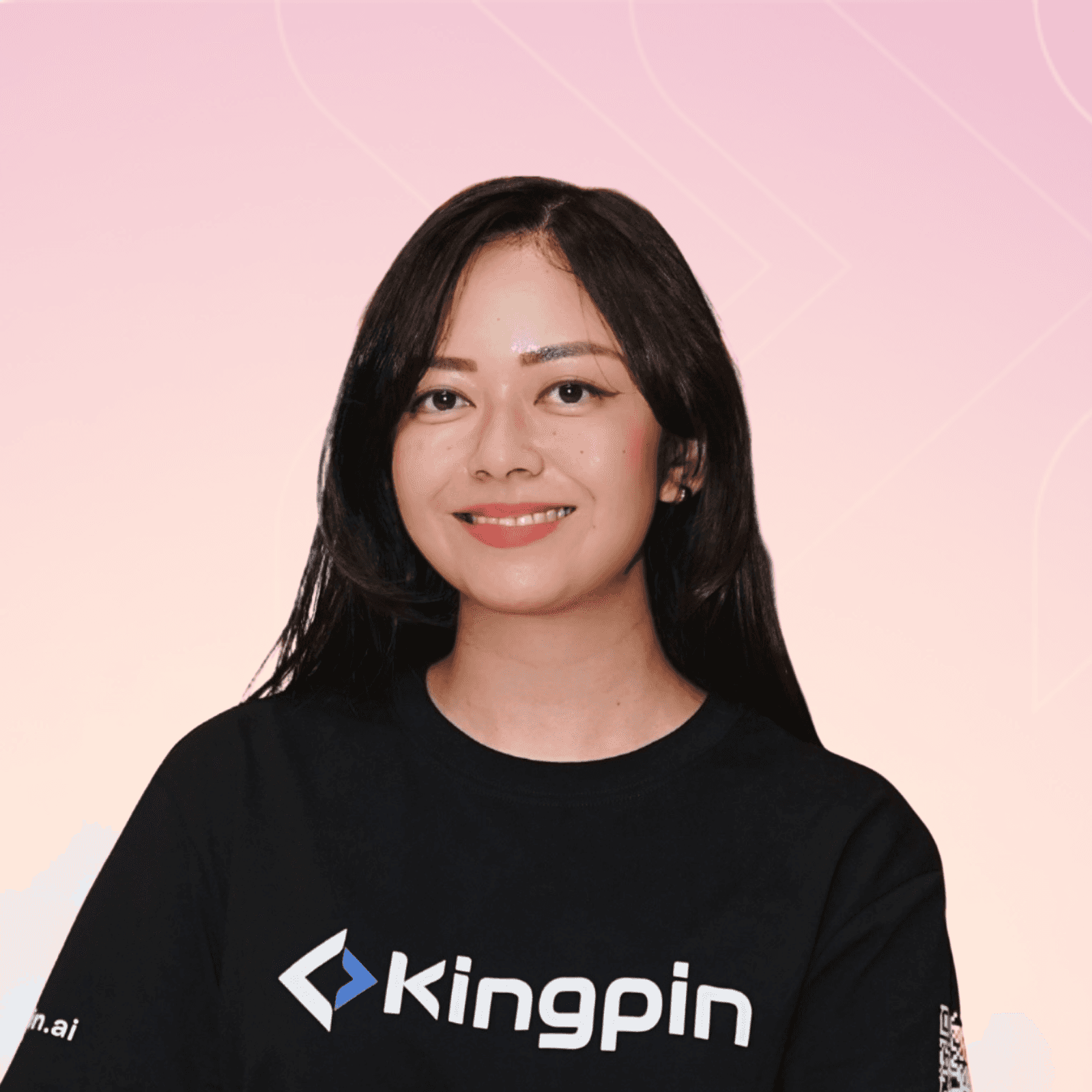
Ysabella Louise
Hi, I'm Ysabella, PMM at Kingpin. We believe that growing revenue shouldn't be a challenge, it should be a no-brainer. So sales teams can focus less on the struggle and more on the wins. I'm here to make sure that vision comes through in every story we tell, and to share what's working, what's changing, and what you should actually know to sell smarter.